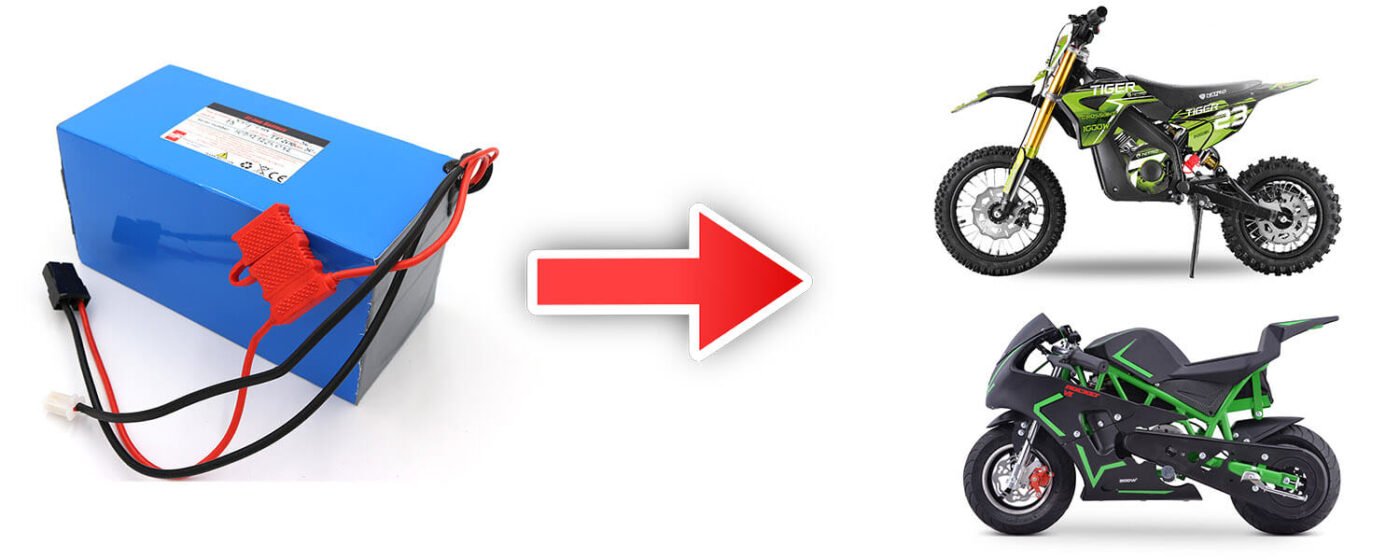
How Long Does an Electric Dirt Bike Battery Last
Electric dirt bike and eBikes built for riders who demand speed, silence, power, and adventure. From rugged forest trails to motocross tracks and urban exploration, our electric machines deliver the ultimate riding experience without compromise.
We proudly offer carefully selected models from trusted brands including Talaria, Stark Varg, Surron, Arctic Leopard, 79Bike, Bluerev, and other leading electric mobility manufacturers.
Discover high-performance electric dirt bikes and eBikes engineered for riders who demand power, speed, silence, and adventure. At Dirt Bike, we bring together cutting-edge electric mobility with rugged off-road performance for riders.
Whether you’re conquering mountain trails, exploring urban streets, or tearing through motocross tracks, our premium electric machines deliver the thrill of riding without compromise.
Electric dirt bikes have transformed the off-road riding experience, offering instant torque, quieter operation, and lower maintenance requirements compared to traditional gasoline-powered models. As these machines continue to gain popularity among riders of all ages and skill levels, one question consistently comes up: how long does an electric dirt bike battery actually last?
How Long Does an Electric Dirt Bike Battery Last, The answer is not as simple as a single number. Battery life depends on several factors, including battery capacity, riding style, terrain, weather conditions, rider weight, and how well the battery is maintained. Understanding these variables can help riders get the most out of their investment while ensuring consistent performance over time.
Whether you’re considering purchasing your first electric dirt bike or looking to maximize the lifespan of your current one, understanding battery performance is essential.
Understanding Electric Dirt Bike Batteries
At the heart of every electric dirt bike is a rechargeable battery system. Most modern electric dirt bikes use lithium-ion batteries because they offer a strong balance between power output, energy density, charging speed, and durability.
Unlike traditional fuel tanks that can be refilled in minutes, electric dirt bike batteries store energy that powers the electric motor. The size of the battery directly influences how long the bike can operate before requiring a recharge.
Battery capacity is typically measured in watt-hours (Wh) or kilowatt-hours (kWh). Generally speaking, a larger battery stores more energy and can provide longer riding times. However, battery size is only one part of the equation.
The actual runtime depends on how that stored energy is used during riding.
Average Ride Time on a Single Charge
How Long Does an Electric Dirt Bike Battery Last, Most electric dirt bikes can operate anywhere from one to four hours on a full charge. Some high-performance models may provide shorter ride times when ridden aggressively, while recreational models designed for casual trail riding can often exceed three hours under favorable conditions.
For beginner riders and casual trail enthusiasts, a full charge may easily support an afternoon of riding. Competitive riders who frequently accelerate hard, tackle steep terrain, and maintain high speeds will generally consume battery power much faster.
Because every riding environment is different, manufacturers often provide estimated ride times based on ideal conditions. Real-world performance can vary significantly depending on how the bike is used.
Factors That Affect Battery Runtime
Rider Weight
The total load placed on the bike directly affects energy consumption. A heavier rider requires more power during acceleration, hill climbs, and technical trail sections.
While modern electric motors are highly efficient, additional weight inevitably increases battery demand. Riders carrying backpacks, gear, or equipment may also notice slightly reduced runtime compared to lighter riders.
Terrain
Terrain is one of the most important factors affecting battery life.
Flat trails and smooth surfaces require less energy than steep hills, rocky paths, mud, sand, or technical off-road conditions. Frequent elevation changes force the motor to work harder, increasing energy consumption.
Riders who spend most of their time climbing hills or navigating challenging trails should expect shorter battery life than those riding on relatively flat terrain.
Riding Style
How a rider uses the throttle has a major impact on battery performance.
Aggressive acceleration, frequent full-throttle riding, and high-speed operation consume significantly more energy than smooth and controlled riding. Riders who constantly demand maximum performance from their bikes will naturally drain batteries faster.
Conservative riding habits can often extend runtime considerably without sacrificing overall enjoyment.
Weather Conditions
Temperature affects lithium-ion battery performance.
Extremely cold conditions can temporarily reduce battery efficiency and available capacity. Batteries generally perform best within moderate temperature ranges. Very hot conditions can also place additional stress on battery systems, particularly if charging occurs immediately after intense riding sessions.
While modern battery management systems help mitigate temperature-related issues, environmental conditions still play a role in overall performance.
Tire Pressure
Many riders overlook the impact of tire pressure on battery life.
Underinflated tires create more rolling resistance, forcing the motor to work harder. Maintaining proper tire pressure can improve efficiency and help maximize range during longer rides.
How Long Does the Battery Itself Last?
When discussing How Long Does an Electric Dirt Bike Battery Last, it’s important to distinguish between ride time per charge and total battery lifespan.
A high-quality lithium-ion battery can typically last several years before noticeable capacity loss occurs. Most modern electric dirt bike batteries are designed to withstand hundreds or even thousands of charging cycles.
A charging cycle refers to using and replenishing the battery’s energy. Over time, all rechargeable batteries experience gradual degradation, meaning they hold slightly less energy than when new.
However, battery degradation is usually slow and predictable when the battery is properly maintained.
Many riders can enjoy years of reliable performance before considering battery replacement.
Signs of Battery Aging
As batteries age, certain performance changes may become noticeable.
One of the first signs is reduced riding time between charges. A battery that once powered the bike for three hours may gradually provide less runtime as capacity declines.
Other potential indicators include:
• Longer charging times
• Reduced power output
• Increased heat during operation
• Faster discharge rates
• Noticeable drops in performance under load
These changes usually occur gradually rather than suddenly.
Charging Habits That Extend Battery Life
Proper charging practices play a significant role in battery longevity.
Many riders unknowingly shorten battery lifespan through poor charging habits. Fortunately, a few simple practices can help preserve long-term performance.
Avoid Deep Discharges
Allowing a battery to completely discharge on a regular basis can increase wear over time.
Instead of consistently draining the battery to zero, many experts recommend recharging before it becomes fully depleted.
Use Approved Chargers
Using manufacturer-approved chargers ensures that charging voltage and current remain within safe operating limits.
Third-party chargers that do not match battery specifications may increase stress on battery cells and potentially reduce lifespan.
Allow Cooling Before Charging
After an intense ride, batteries can become warm.
Charging immediately while the battery is still hot may increase internal stress. Allowing the battery to cool to a normal temperature before charging can help promote long-term health.
Store at Partial Charge
If the bike will not be used for an extended period, storing the battery at a moderate charge level is often recommended.
Leaving a battery fully charged or completely empty for months at a time can negatively affect overall lifespan.
Can Battery Life Be Improved?
While every battery has physical limitations, riders can take several steps to maximize performance.
Smooth throttle control, proper tire maintenance, routine inspections, and smart charging habits all contribute to better efficiency. Choosing appropriate riding modes can also make a difference.
Many electric dirt bikes include multiple power settings. Lower-power modes typically consume less energy and extend ride times, making them ideal for casual trail riding or beginners.
More aggressive performance modes prioritize speed and acceleration but generally reduce overall runtime.
Selecting the right mode for the riding environment can significantly improve battery efficiency.
The Future of Electric Dirt Bike Batteries
Battery technology continues to evolve rapidly.
Manufacturers are investing heavily in research aimed at increasing energy density, reducing charging times, and extending battery lifespan. New battery designs promise greater capacity without dramatically increasing weight.
As technology improves, future electric dirt bikes are likely to offer longer riding times, faster charging capabilities, and improved durability.
Advancements in battery management systems are also helping optimize performance by monitoring temperature, charging rates, and energy consumption in real time.
These innovations are expected to make electric dirt bikes even more practical for recreational riders and competitive enthusiasts alike.
Comparing Electric and Gas-Powered Ride Duration
One of the most common comparisons involves battery runtime versus fuel range.
Traditional dirt bikes can often be refueled within minutes, allowing riders to continue almost immediately. Electric dirt bikes require charging, which introduces different planning considerations.
However, electric bikes compensate through lower maintenance requirements, reduced noise, fewer moving parts, and instant torque delivery.
For many riders, the overall riding experience outweighs concerns about charging intervals.
As battery technology continues improving, the gap between electric and traditional off-road vehicles continues to narrow.
Final Thoughts
The lifespan of an electric dirt bike battery depends on far more than the size of the battery itself. Riding style, terrain, rider weight, weather conditions, maintenance practices, and charging habits all influence both runtime and long-term durability.
Most riders can expect anywhere from one to four hours of riding on a single charge, while a well-maintained lithium-ion battery can provide years of dependable service. By understanding the factors that affect battery performance and adopting proper maintenance habits, riders can maximize both efficiency and longevity.
As electric dirt bike technology continues advancing, battery performance will only improve. Longer ranges, faster charging, and greater durability are already shaping the future of off-road riding. For enthusiasts looking for a cleaner, quieter, and increasingly capable alternative to traditional dirt bikes, electric power is becoming a compelling choice that continues to gain momentum around the world.